
Published on January 15, 2025
Is Mobile App Testing a Good Career? A Comprehensive Guide to Your Future in Quality Assurance
In an era where mobile applications dominate our daily lives, the demand for skilled mobile app testers has skyrocketed. But is mobile app testing truly a viable career path? This comprehensive guide explores the opportunities, challenges, and potential that await those considering a career in mobile testing.
The Growing Demand for Mobile App Testers
The mobile app industry has experienced unprecedented growth over the past decade. With over 6.8 billion smartphone users worldwide and millions of apps available across various platforms, the need for quality assurance has never been more critical. Companies are investing heavily in ensuring their mobile applications deliver seamless user experiences, making mobile app testing an essential component of the development lifecycle.
According to recent industry reports, the global mobile testing market is projected to reach $13.3 billion by 2025, growing at a compound annual growth rate of 14.7%. This expansion is driven by the increasing complexity of mobile applications, the proliferation of devices and operating systems, and the rising expectations of users who demand flawless functionality. Organizations across all sectors—from finance and healthcare to entertainment and e-commerce—are actively seeking skilled testers who can identify bugs, ensure compatibility, and validate performance across diverse mobile environments.
The shift toward mobile-first strategies has further amplified this demand. As businesses recognize that their mobile presence often serves as the primary touchpoint with customers, they're prioritizing quality assurance to protect their brand reputation and maintain competitive advantage. This trend has created abundant opportunities for professionals entering the mobile testing field, with positions available at startups, established tech companies, and specialized testing firms.
Moreover, the emergence of new technologies such as 5G networks, augmented reality, and Internet of Things (IoT) applications has expanded the scope of mobile testing. Testers are now required to validate not just basic functionality, but also performance under varying network conditions, integration with wearable devices, and compatibility with emerging platforms. This evolution ensures that mobile app testing remains a dynamic and future-proof career choice.
Salary Expectations and Career Progression
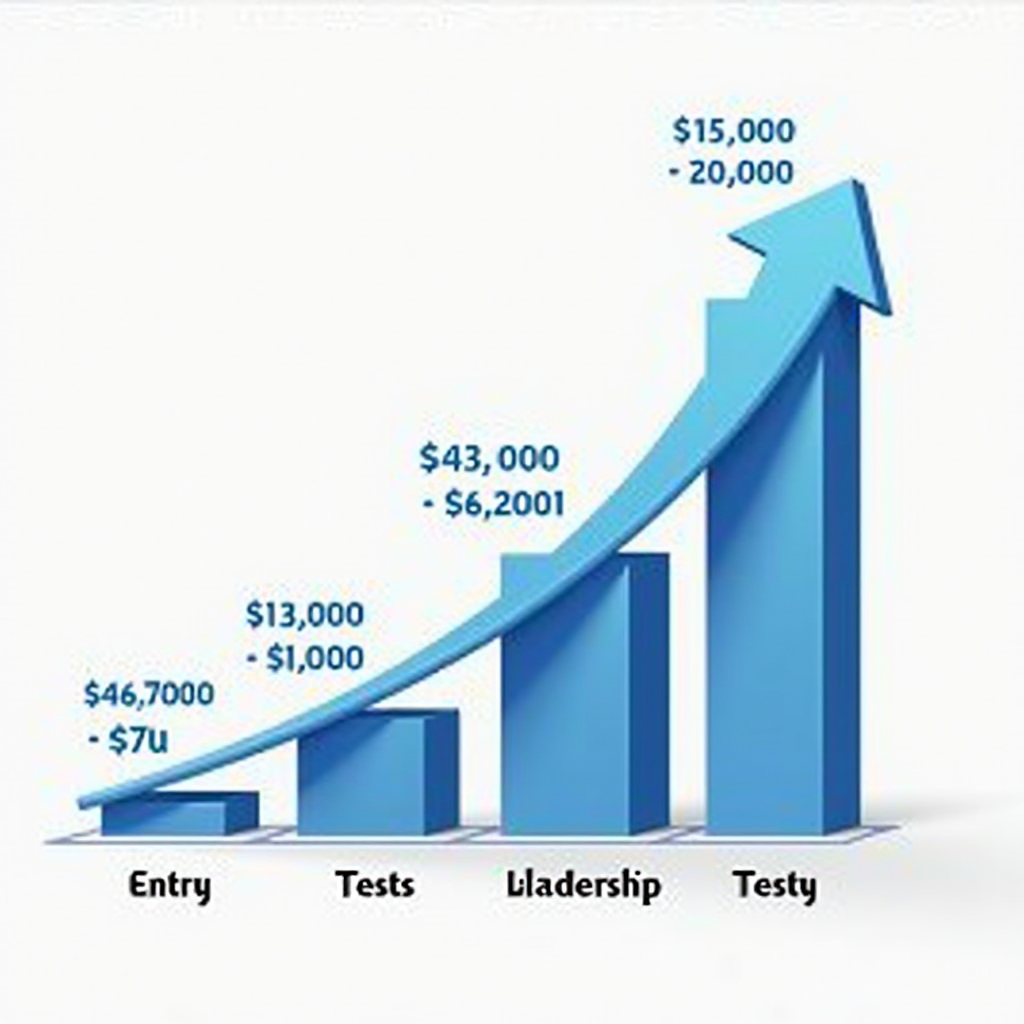
One of the most compelling aspects of a career in mobile app testing is the competitive compensation. Entry-level mobile testers can expect to earn between $45,000 and $65,000 annually, depending on location and company size. As professionals gain experience and develop specialized skills, salaries increase substantially. Mid-level testers with 3-5 years of experience typically earn between $70,000 and $95,000, while senior testers and test automation engineers can command salaries exceeding $120,000 in major tech hubs.
The career trajectory in mobile testing offers multiple pathways for advancement. Many testers begin in manual testing roles, learning the fundamentals of test case design, bug reporting, and quality assurance processes. From there, they can specialize in automation testing, performance testing, or security testing—each offering distinct opportunities and compensation levels. Automation specialists, in particular, are highly sought after, as they can significantly improve testing efficiency and reduce time-to-market for mobile applications.
Beyond technical roles, experienced testers can transition into leadership positions such as QA Lead, Test Manager, or Quality Assurance Director. These roles involve strategic planning, team management, and process optimization, with salaries often ranging from $100,000 to $150,000 or more. Some professionals also choose to become independent consultants, offering their expertise to multiple clients and potentially earning even higher rates.
Geographic location plays a significant role in compensation, with testers in cities like San Francisco, New York, Seattle, and Singapore commanding premium salaries due to higher costs of living and concentrated tech industries. However, the rise of remote work has democratized opportunities, allowing testers in lower-cost regions to access competitive salaries from companies based in major tech centers. This flexibility has made mobile testing an attractive career option for professionals worldwide.
Essential Skills for Success in Mobile Testing
Success in mobile app testing requires a diverse skill set that combines technical knowledge, analytical thinking, and attention to detail. At the foundation, testers must understand mobile operating systems—primarily iOS and Android—including their unique characteristics, limitations, and testing requirements. Familiarity with mobile device specifications, screen resolutions, and hardware capabilities is essential for comprehensive testing coverage.
Technical skills form the backbone of a mobile tester's toolkit. Proficiency in testing methodologies such as functional testing, regression testing, usability testing, and compatibility testing is crucial. As careers progress, knowledge of automation frameworks like Appium, XCUITest, and Espresso becomes increasingly valuable. Programming skills in languages such as Java, Python, or JavaScript enable testers to write and maintain automated test scripts, significantly enhancing their marketability and earning potential.
Beyond technical abilities, successful mobile testers possess strong analytical and problem-solving skills. They must be able to think like end users, anticipating potential issues and edge cases that might not be immediately obvious. Effective communication skills are equally important, as testers must clearly document bugs, collaborate with developers, and sometimes interact with stakeholders to understand requirements and priorities. The ability to work under pressure and manage multiple testing cycles simultaneously is also essential in fast-paced development environments.
Continuous learning is perhaps the most critical skill for long-term success in mobile testing. The technology landscape evolves rapidly, with new devices, operating system versions, and testing tools emerging regularly. Successful testers stay current through online courses, certifications, industry conferences, and hands-on experimentation. Certifications such as ISTQB Mobile Application Testing, Certified Mobile Tester, and platform-specific credentials can enhance credibility and open doors to advanced opportunities.
Real Success Stories: Testers Who Made the Transition
The path to mobile app testing is remarkably accessible, with many successful professionals coming from diverse backgrounds. Sarah Martinez, who transitioned from retail management to mobile testing three years ago, shares her experience: "I had no technical background when I started, but I was always detail-oriented and enjoyed problem-solving. After completing an online QA bootcamp, I landed my first testing role at a fintech startup. Today, I'm a senior automation tester earning twice what I made in retail, and I love the intellectual challenge and growth opportunities this career provides."
James Chen's story illustrates another common pathway. A former graphic designer, James discovered mobile testing while freelancing for a small app development company. "I was initially hired to provide design feedback, but I became fascinated with the testing process. I started learning automation on my own, and within a year, I had transitioned fully into QA. The creative problem-solving aspects of testing appealed to my design background, and I found that my user experience perspective made me a better tester. Five years later, I'm leading a testing team at a major e-commerce platform."
Maria Rodriguez represents the growing number of professionals who enter testing from non-tech fields. After working as a teacher for eight years, Maria sought a career change that would offer better work-life balance and growth potential. "Teaching taught me patience, attention to detail, and how to break down complex concepts—all skills that translate perfectly to testing. I started with manual testing and gradually learned automation. The remote work opportunities in testing have been life-changing, allowing me to maintain flexibility while building a rewarding career. I'm now earning more than I ever did in education, with significantly better benefits and advancement prospects."
These testimonials highlight a common theme: mobile app testing welcomes professionals from all backgrounds who possess curiosity, attention to detail, and willingness to learn. The relatively low barrier to entry, combined with clear pathways for advancement, makes it an ideal career for those seeking to transition into technology without extensive programming experience. Many testers report high job satisfaction, citing the intellectual stimulation, collaborative work environment, and tangible impact of their contributions as key factors in their career fulfillment.
The Evolution of Mobile Testing: From Manual to Intelligent Automation
The mobile testing industry has undergone dramatic transformation over the past decade. In the early days of mobile apps, testing was predominantly manual, with testers physically interacting with devices to validate functionality. While manual testing remains important for exploratory testing and user experience validation, the industry has shifted significantly toward automation and intelligent testing solutions.
Modern mobile testing leverages sophisticated automation frameworks that can execute thousands of test cases across multiple devices and configurations simultaneously. Cloud-based testing platforms like BrowserStack, Sauce Labs, and AWS Device Farm have democratized access to extensive device labs, eliminating the need for companies to maintain physical device inventories. This evolution has made testing more efficient, comprehensive, and cost-effective, while also creating demand for testers who can design, implement, and maintain automated testing solutions.
Artificial intelligence and machine learning are now reshaping mobile testing once again. AI-powered testing tools can automatically generate test cases, identify visual anomalies, and predict areas of applications most likely to contain bugs. These technologies augment human testers rather than replace them, handling repetitive tasks while freeing professionals to focus on complex scenarios, strategic planning, and creative problem-solving. Testers who embrace these emerging technologies position themselves at the forefront of the industry's evolution.
The integration of continuous integration and continuous deployment (CI/CD) pipelines has also transformed testing workflows. Modern testers work closely with development teams in agile environments, conducting testing throughout the development cycle rather than at the end. This shift toward DevOps and continuous testing has elevated the role of QA professionals, making them integral partners in the software development process. Understanding CI/CD tools, version control systems, and collaborative development practices has become essential for contemporary mobile testers.
Challenges and Considerations in Mobile Testing Careers
While mobile app testing offers numerous advantages, prospective testers should be aware of certain challenges. The rapid pace of technological change requires constant learning and adaptation. New devices, operating system updates, and testing tools emerge regularly, demanding that professionals invest time in continuous education. Those who thrive in this field typically enjoy learning and view change as an opportunity rather than a burden.
The pressure to maintain quality while meeting tight deadlines can be intense, particularly in fast-paced startup environments or during major product launches. Testers must balance thoroughness with efficiency, sometimes making difficult decisions about testing coverage and risk management. Developing strong time management skills and learning to prioritize effectively are essential for managing this pressure without experiencing burnout.
Another consideration is the potential for repetitive work, especially in entry-level positions focused on manual testing. While automation and career progression address this issue over time, new testers should be prepared for periods of executing similar test cases repeatedly. Finding ways to stay engaged—such as suggesting process improvements, learning new tools, or taking on additional responsibilities—can help maintain motivation during these phases.
Despite these challenges, most mobile testing professionals report high career satisfaction. The combination of intellectual stimulation, clear advancement pathways, competitive compensation, and the satisfaction of contributing to quality products outweighs the difficulties. The key is entering the field with realistic expectations and a commitment to continuous growth and learning.
Getting Started: Your Path to Mobile Testing Success
For those convinced that mobile app testing is the right career path, getting started is more accessible than ever. Begin by building foundational knowledge through online courses, tutorials, and documentation. Platforms like Udemy, Coursera, and LinkedIn Learning offer comprehensive QA and mobile testing courses suitable for beginners. Focus initially on understanding testing fundamentals, mobile platforms, and basic testing methodologies before advancing to automation and specialized topics.
Hands-on practice is crucial for developing practical skills. Download popular mobile apps and practice exploratory testing, documenting bugs and creating test cases. Set up a personal testing environment using Android Studio or Xcode, and experiment with testing tools and frameworks. Contributing to open-source projects or offering to test apps for small businesses or nonprofits can provide valuable real-world experience while building your portfolio.
Networking within the testing community accelerates learning and opens doors to opportunities. Join online forums, attend virtual meetups, and participate in testing conferences. Engaging with experienced professionals provides insights into industry trends, best practices, and potential career paths. Many testers find their first opportunities through connections made in these communities, making networking an investment in your future success.
When ready to pursue employment, tailor your resume to highlight relevant skills, even if gained through self-study or volunteer work. Emphasize attention to detail, analytical thinking, and any technical skills you've developed. Consider starting with internships, contract positions, or junior roles that provide entry into the field. Once employed, focus on delivering quality work, seeking mentorship, and continuously expanding your skill set. With dedication and strategic career management, mobile app testing can provide a fulfilling, lucrative, and future-proof career.
This article provides general career guidance based on industry trends and professional experiences. Individual results may vary based on location, experience, and market conditions.